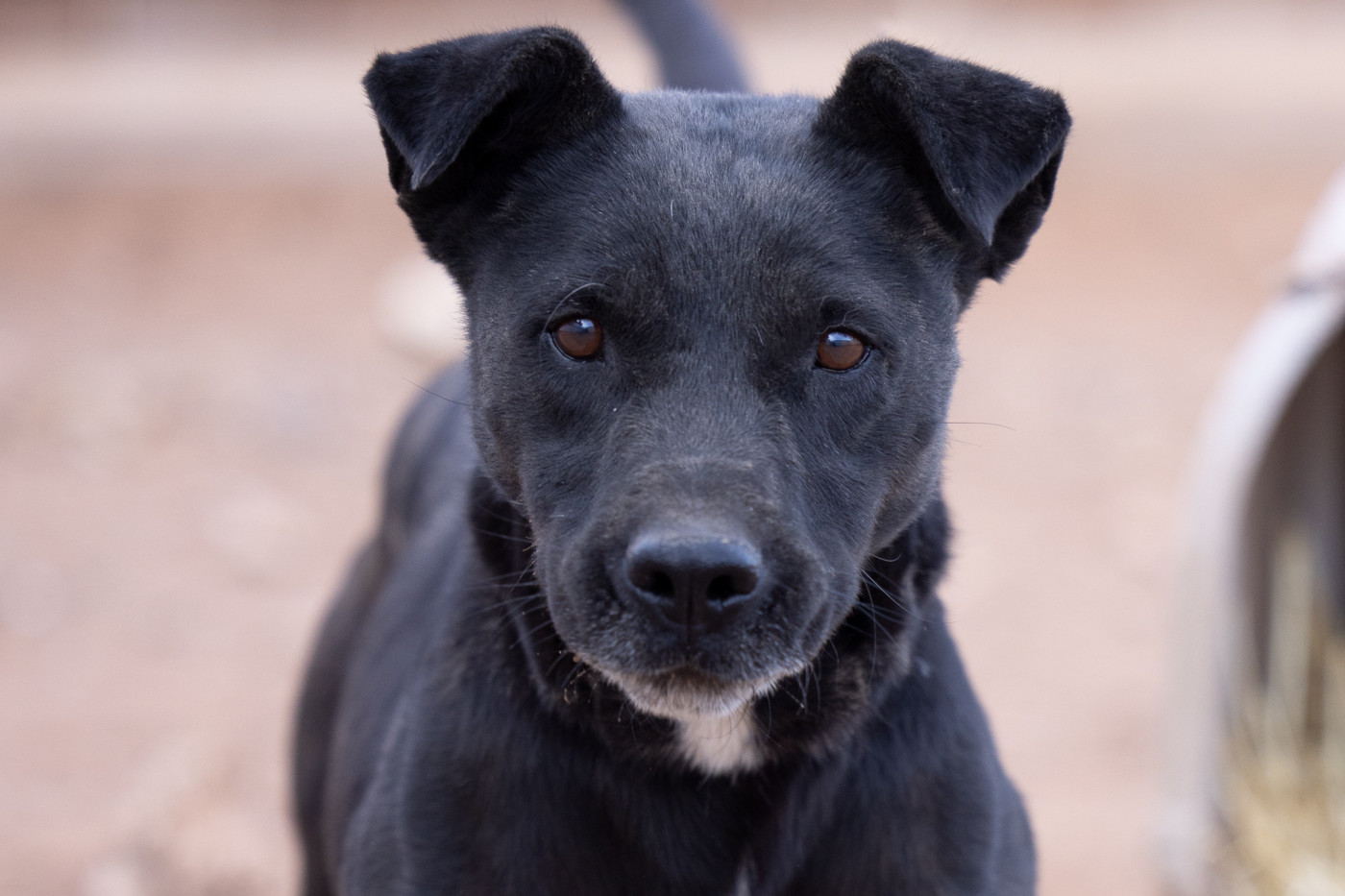
Step-by-Step Guide to Introducing Dogs to Each Other
Bringing a new dog into your home is extremely exciting but a good introduction is one of the most important steps in helping dogs build a positive relationship with one another. Every dog is different, so go at a pace that feels comfortable for both dogs. The goal is not for dogs to become best friends immediately, but to help them feel safe and relaxed around each other.
Step 1: Choose a Neutral Location
I always recommend starting the introduction in a neutral outdoor territory, easiest done by walking down the street or a nearby park. The last thing you want is for the resident dog to feel the need to protect their space.
Make sure both dogs are wearing secure collars or harnesses and are on regular leashes. Avoid retractable leashes and long lines, as they can make it harder to manage distance and body language.
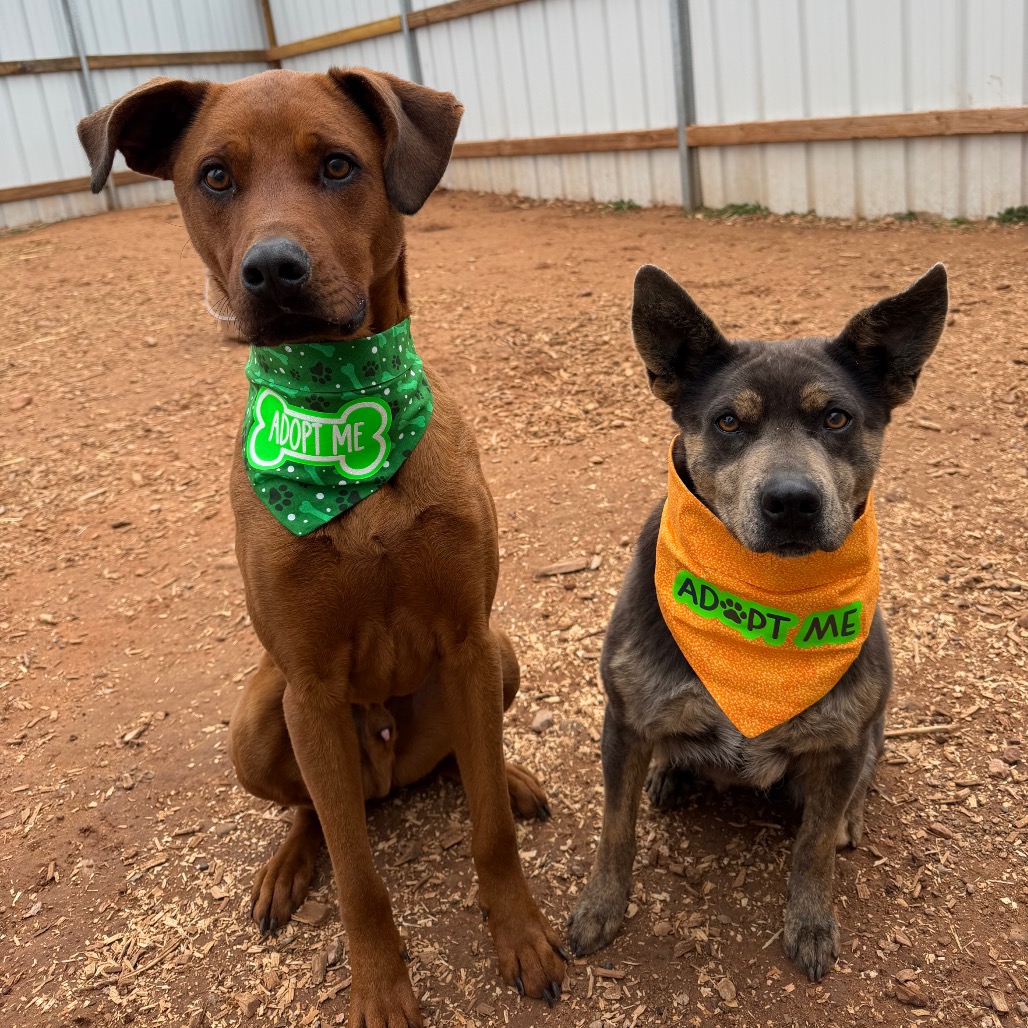
Step 2: Begin With a Parallel Walk
Two different people should be involved in this process, one holding each dog. Begin walking parallel to each other but not close enough for the dogs to be able to reach each other.
Allow the dogs to notice each other naturally. Watch their body language and reward calm behavior with treats, praise, or a happy voice.
Signs that a dog is comfortable may include:
- Loose, wiggly body language
- Soft eyes and relaxed facial muscles
- Sniffing the ground or exploring
- Choosing to look away from the other dog
If either dog is tense, staring, freezing, growling, or trying to move away, increase the distance and give them more time.
*If they do not acknowledge each other at all that is okay!
Step 3: Slowly Decrease Distance
As both dogs become more comfortable, gradually decrease the space between them. Continue walking together and allowing them to process the other dog without pressure.
Avoid forcing dogs to interact. Giving them the choice to approach or move away helps build confidence and trust.
Step 4: Allow a Brief Greeting
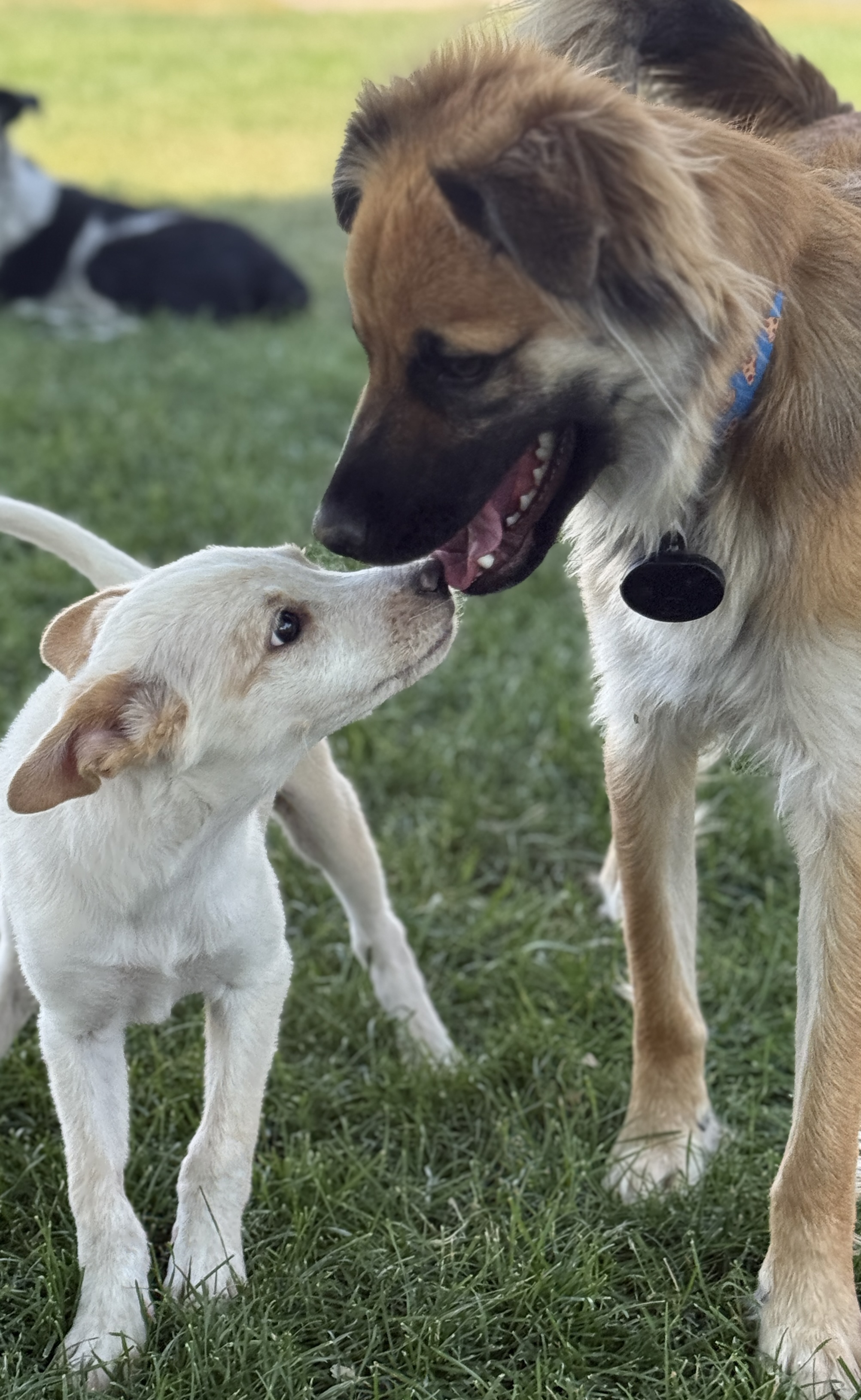
When both dogs appear relaxed, allow a short greeting. Let them approach in a curved path rather than walking straight toward each other.
Keep the interaction brief, then happily call the dogs away and continue walking. Ending the greeting before either dog becomes uncomfortable helps create a positive experience.
Step 5: Watch Their Body Language
Dogs communicate constantly through their body language. Pay attention to what they are saying.
Positive signs include:
- Relaxed movement
- Play bows
- Taking turns during play
- Sniffing and then moving away
- Choosing to be near each other without tension
Signs that a dog needs a break include:
- Stiff body posture
- Hard staring
- Raised hackles
- Lip licking or yawning when not tired
- Hiding or avoiding
- Growling or snapping
A growl is communication. Do not punish a dog for growling. Instead, calmly create space and help them feel more comfortable.
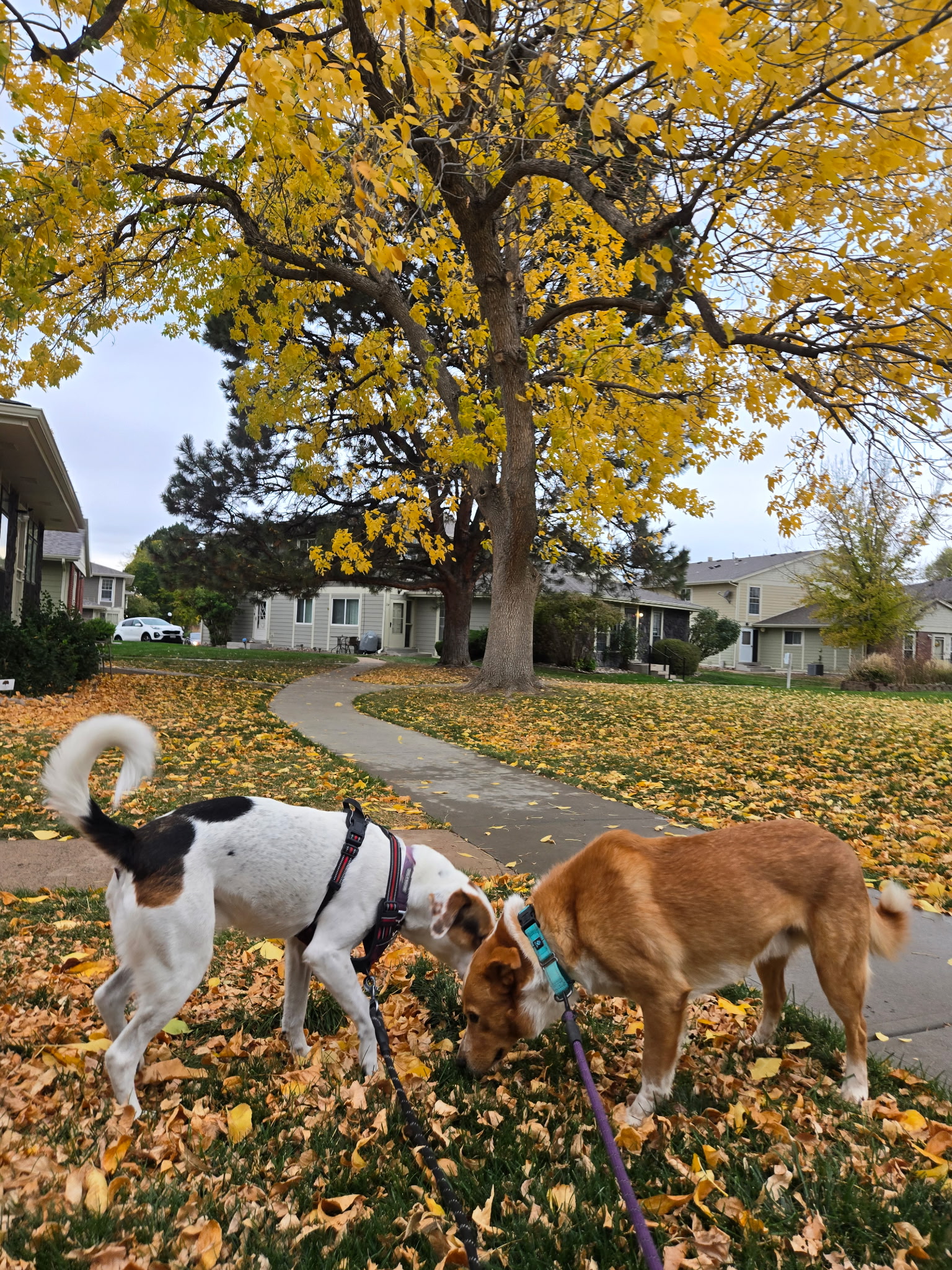
Step 6: Introduce Them at Home
Once the dogs have had a successful outdoor introduction, bring them home together if possible. Take them for another short walk before entering the house.
Remove items that could cause conflict, such as toys, food bowls, or high-value treats. Allow the dogs to explore and adjust while supervised.
Step 7: Supervise and Build a Relationship
Do not leave newly introduced dogs alone together until you are confident they are comfortable with each other. Continue supervising interactions and reward calm behavior.
Give each dog their own space where they can relax. This may include separate beds, crates, or quiet areas.
Remember that relationships take time. Some dogs become friends quickly, while others need weeks or even months to fully adjust. A slow, positive introduction gives dogs the best chance of building a safe and successful relationship.
When to Ask for Help
If either dog is showing repeated fear, aggression, guarding behavior, or difficulty relaxing around the other dog, reach out to our certified training and behavior specialist for guidance.
A successful introduction is about creating trust, not rushing the process.
Bringing a new dog into your home is extremely exciting but a good introduction is one of the most important steps in helping dogs build a positive relationship with one another.